Can't sleep no matter what you try?
How to improve your sleep quality if you can't sleep: focus on sleep hygiene
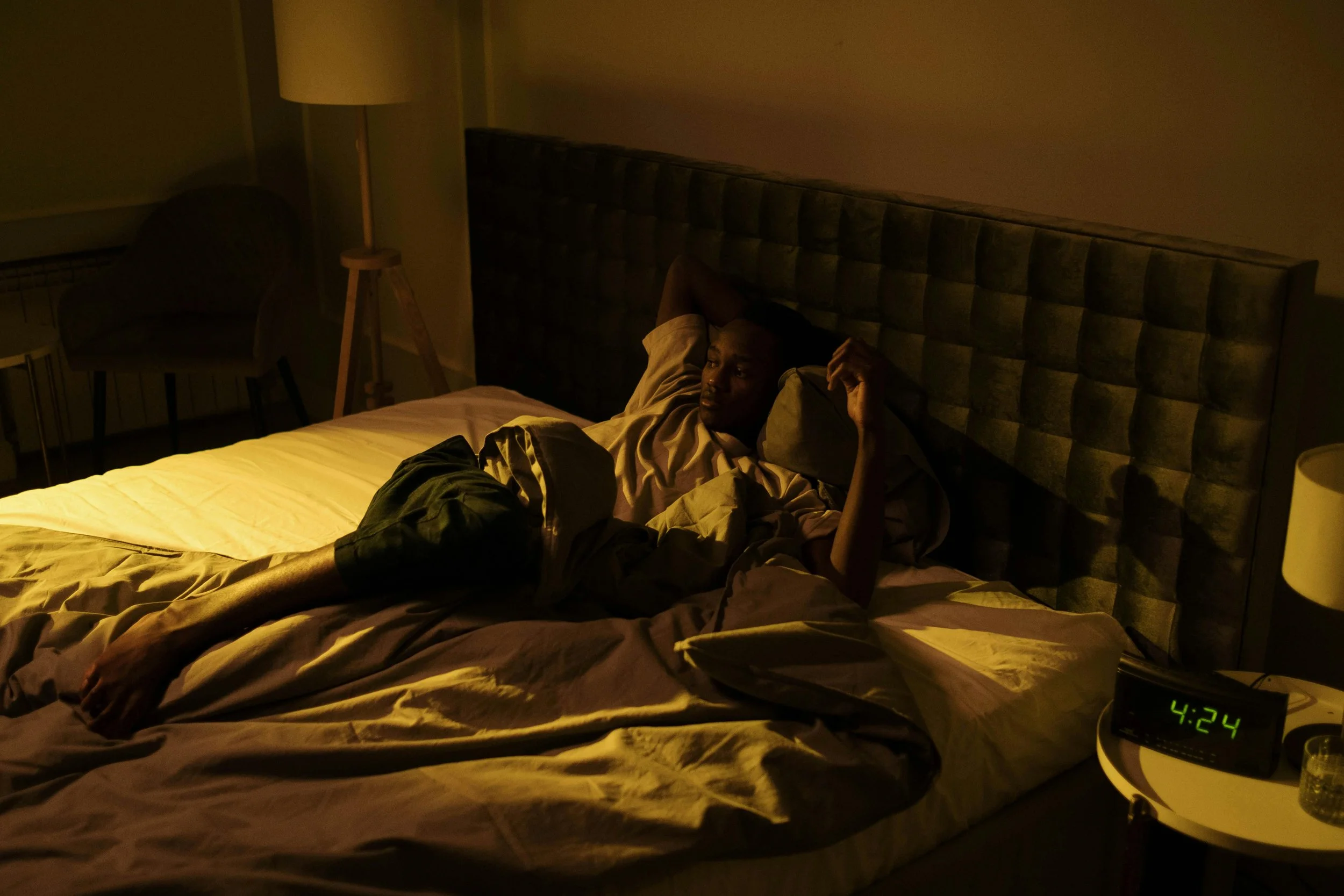
Sleep advice can feel like a cruel joke when you've been lying awake at 2am with a brain that won't shut off. "Just go to bed earlier" doesn't help when going to bed earlier means more time staring at the ceiling.
But even if you struggle to fall asleep, you can still improve your sleep by focusing on sleep hygiene. Sleep hygiene isn't about getting 7-9 hours. It's about what happens before bed, while you're in bed, and when you wake up.
Before bed
Most of us spend that hour scrolling, watching Netflix, or catching up on work. Screen light tells your brain it's still daytime. The content keeps your mind spinning. It's like running a warm-up lap right before trying to sleep. Switching to something boring, calm, and screen-free won't guarantee sleep, but it'll stop you from actively working against it.
Your bedroom
Is it actually dark? Is it cool enough? Your body sleeps better around 65-68°F, colder than most people keep their bedrooms. And is your bed just for sleep, or do you also work, eat, and watch TV there? If it's a multi-purpose zone, your body won't get a clear signal that lying down means it's time to wind down.
If you can't sleep
If you've been lying awake for 20 minutes, get up. Do something boring in dim light until you feel drowsy. Staying in bed while frustration builds only teaches your brain that bed is a place for rumination.
Other basics
Caffeine has a half-life of up to 12 hours. That 2pm coffee may still be circulating at bedtime. Alcohol makes you drowsy but disrupts REM sleep, so you wake up less rested. Consistency matters more than total hours. Going to bed and waking up at the same time each day does more for your circadian rhythm than obsessing over duration. And morning light exposure helps you feel tired at night. A short walk outside or standing near a window with actual daylight does a lot.
None of this is a fix for insomnia. But it's a good checklist to start with.